-cover_1x.jpg)
Choosing a wedding band is a decision as meaningful as selecting your engagement ring. It is not only a symbol of eternal love but also the piece that will accompany your engagement ring for a lifetime. While some couples lean towards timeless simplicity with a straight band, others discover that a curved wedding ring is the perfect match, especially for engagement rings with distinctive shapes or larger gemstones.
At Mialis, we believe that jewellery should feel as unique as the love story it represents. Our Prague atelier is dedicated to crafting handmade fine jewellery designed with intention and refined detail. Today, we explore the world of curved versus classic wedding rings to help you find the style that best complements your engagement ring.
The Elegance of the Classic Wedding Band
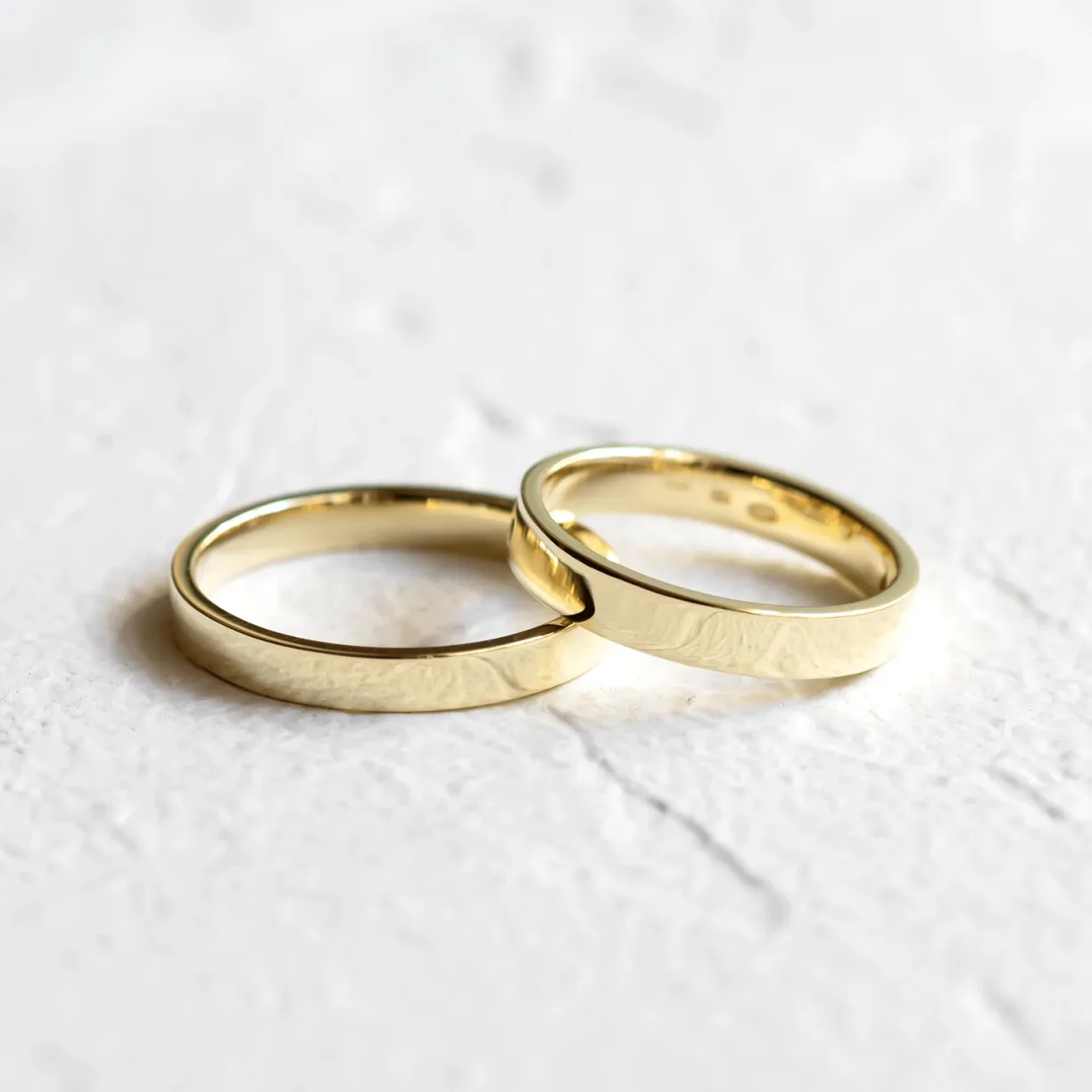
The classic straight wedding band has endured for centuries for good reason. With its pure form and clean lines, it pairs effortlessly with traditional solitaire engagement rings, particularly those set with round brilliant diamonds.
- Timeless appeal: A straight band offers symmetry and a sense of tradition.
- Versatility: It complements both minimal and ornate settings.
- Focus on the stone: Its simplicity allows the engagement ring to remain the centrepiece.
However, when the engagement ring features a unique stone shape or a setting that sits low on the finger, a classic band can sometimes leave gaps or feel less integrated. This is where curved designs shine.
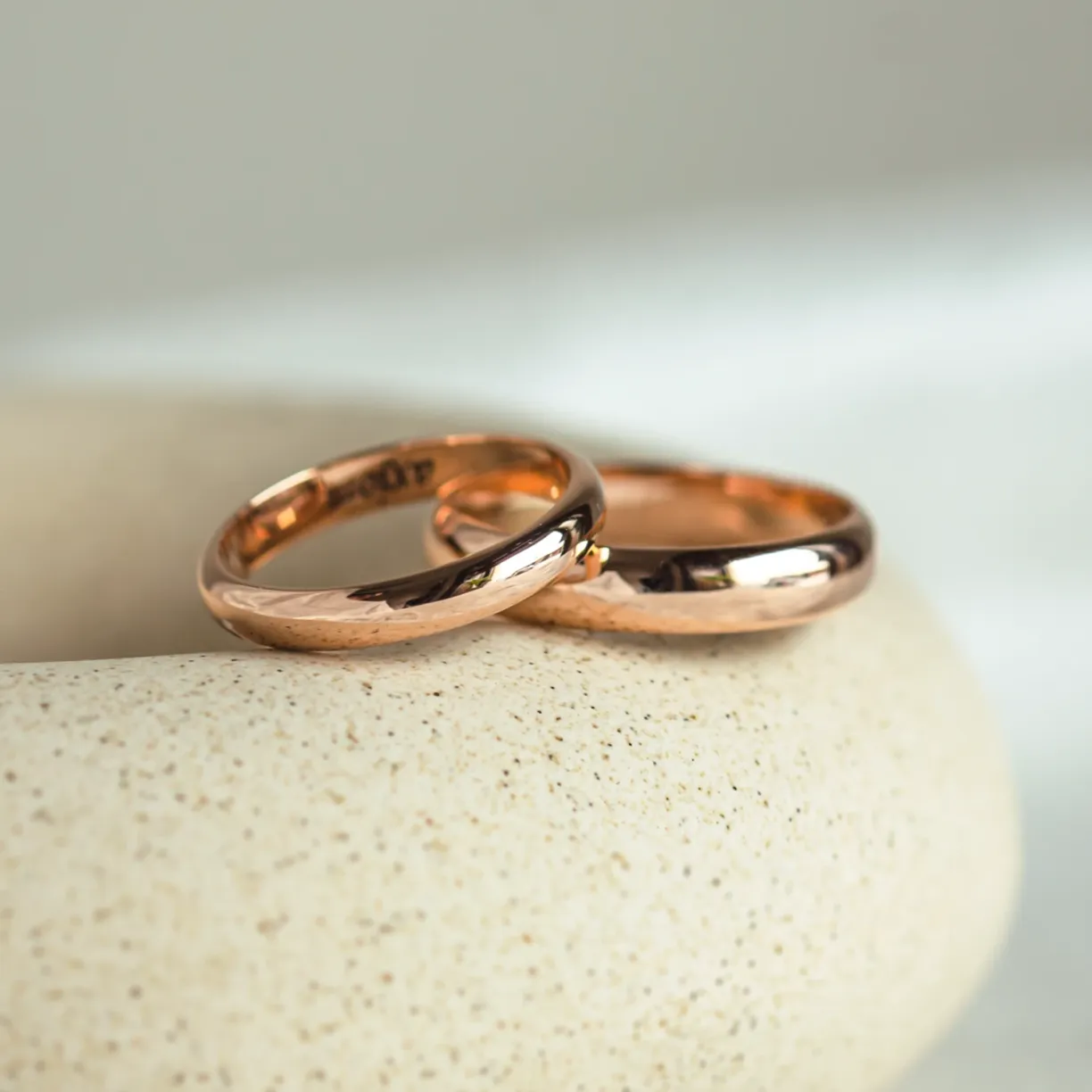
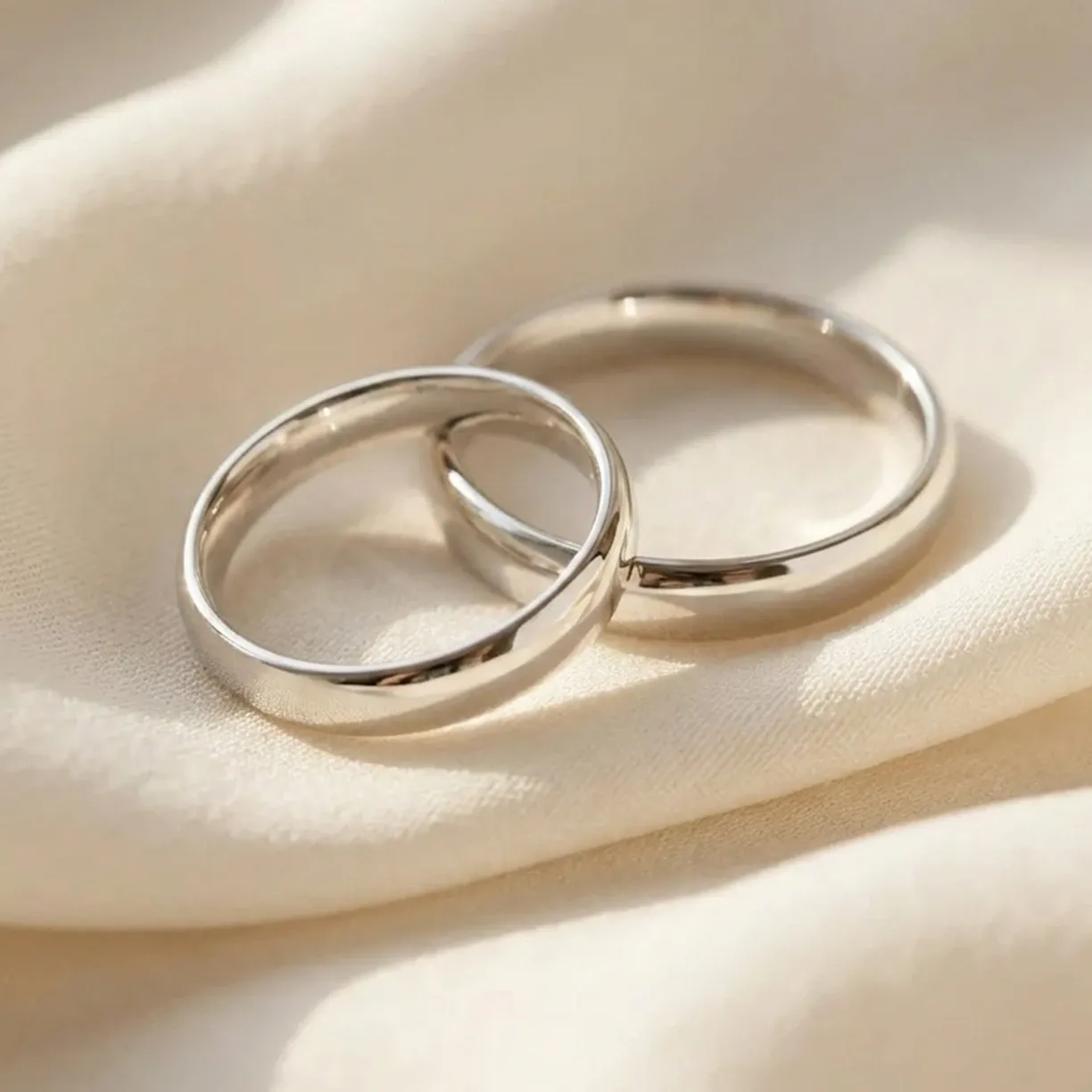
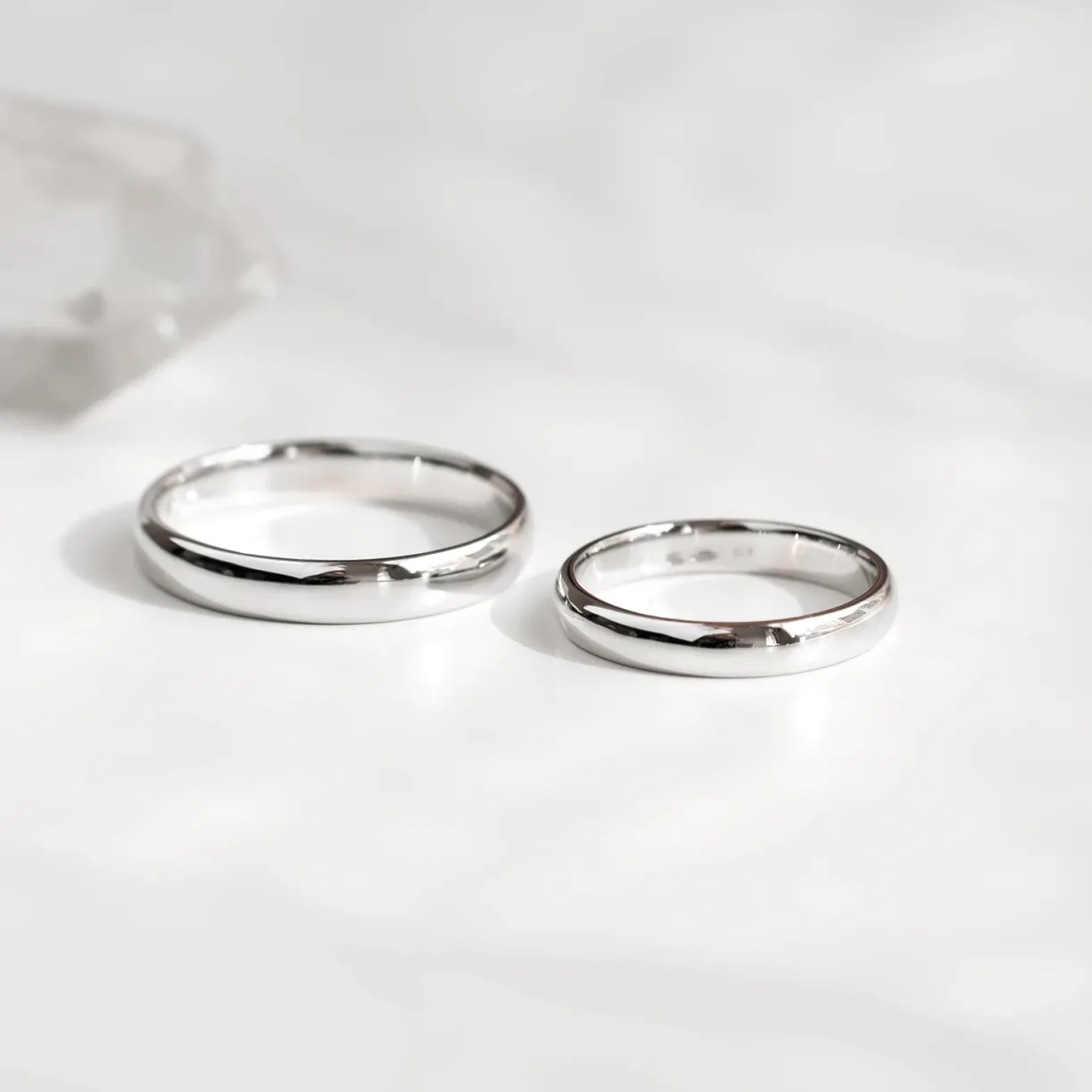
The Beauty and Purpose of Curved Wedding Rings
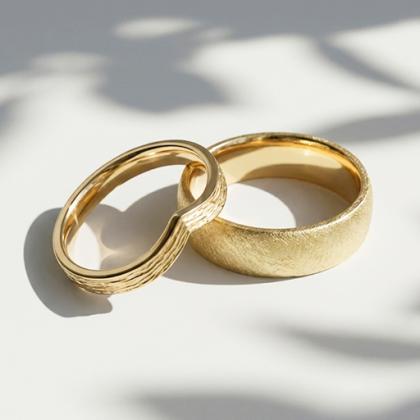
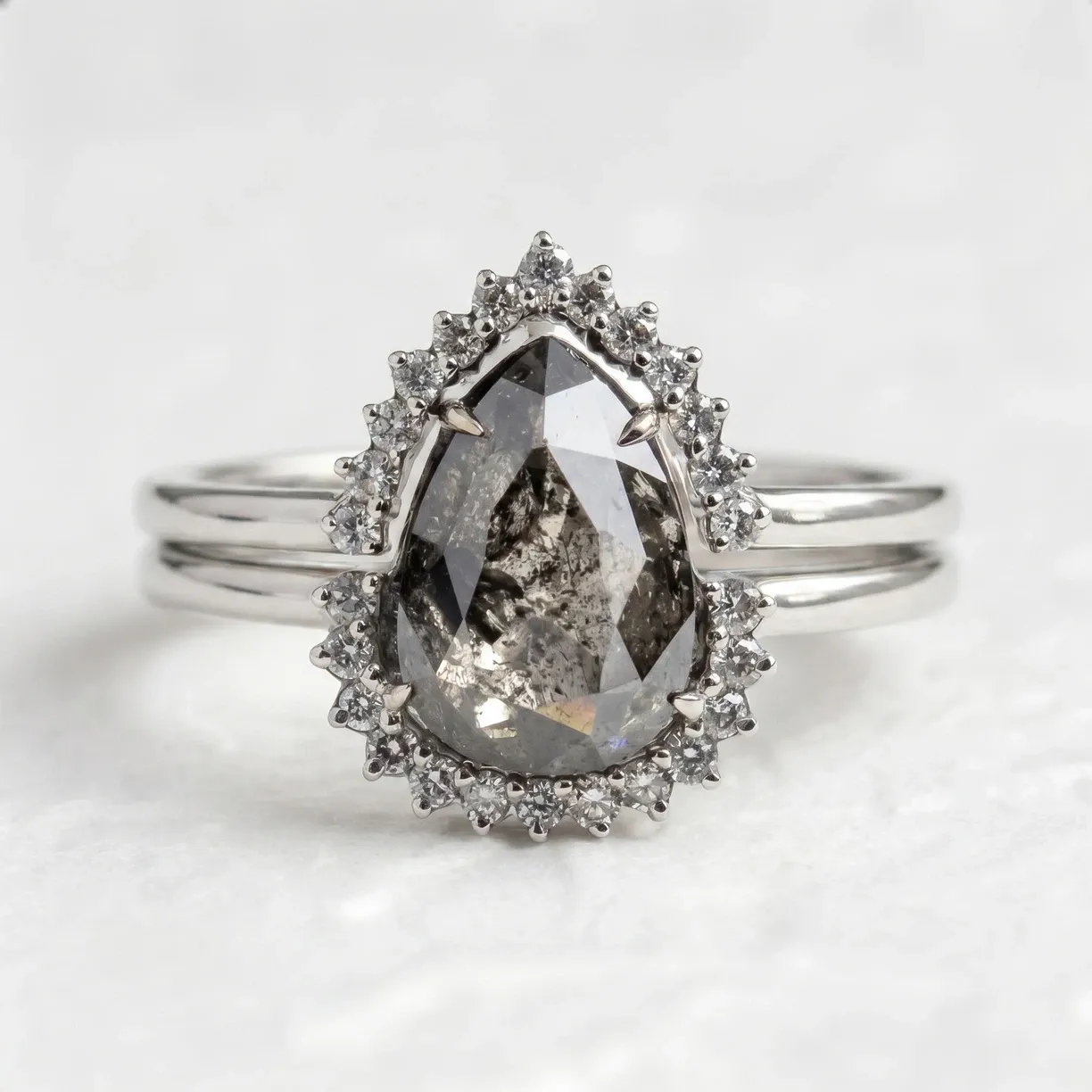
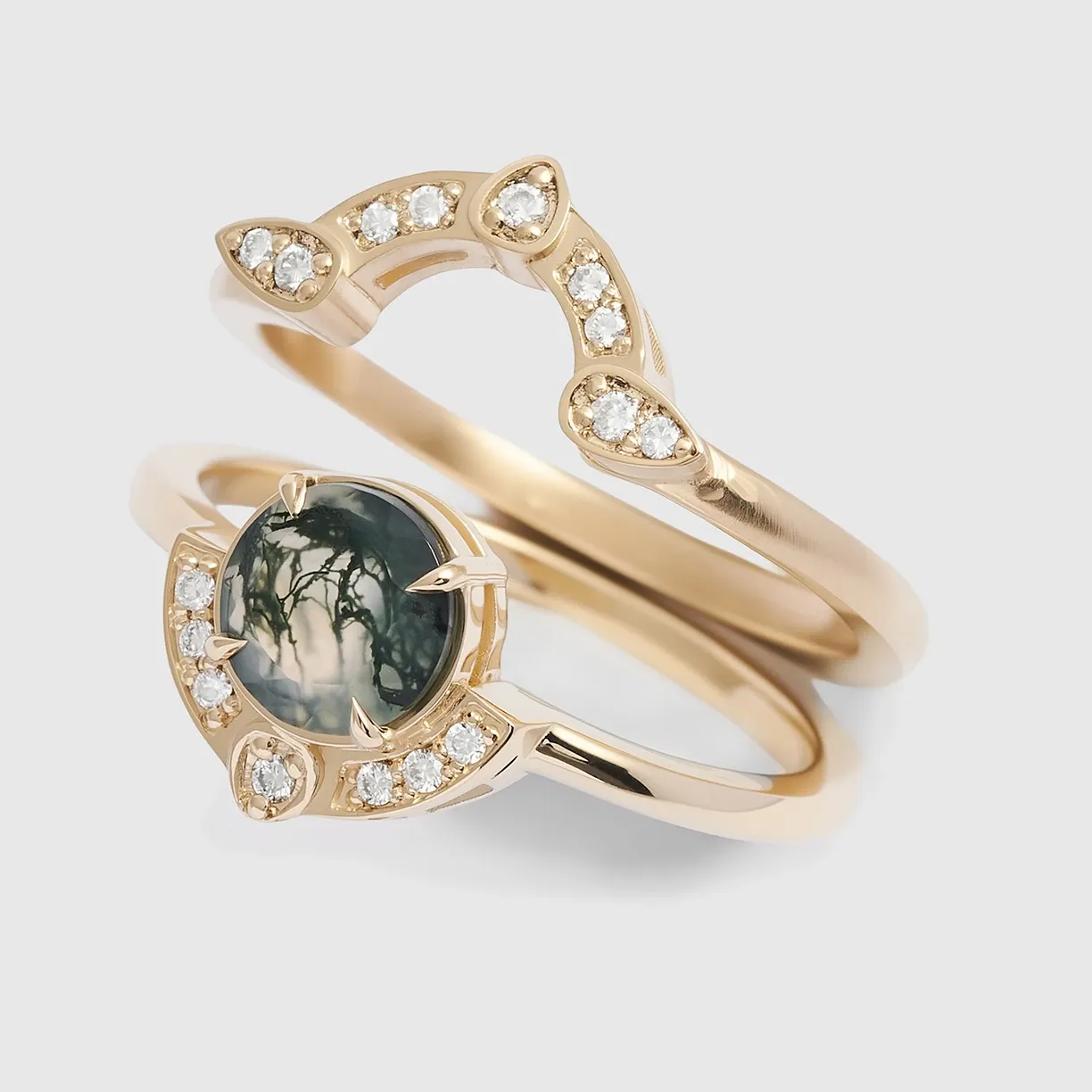
A curved wedding ring is gently shaped to embrace the engagement ring, ensuring a harmonious fit. Far from a mere stylistic choice, it is a thoughtful solution crafted to enhance comfort and aesthetics.
- Seamless fit: Curved bands nestle perfectly against engagement rings with raised or unusual stone settings.
- Enhanced detail: The flowing shape highlights the artistry of both rings.
- Modern individuality: Curved bands are ideal for couples seeking a more contemporary, bespoke look.
At Mialis, some of our most beloved designs include:
- Catania – a minimalist curved band, elegant and refined.
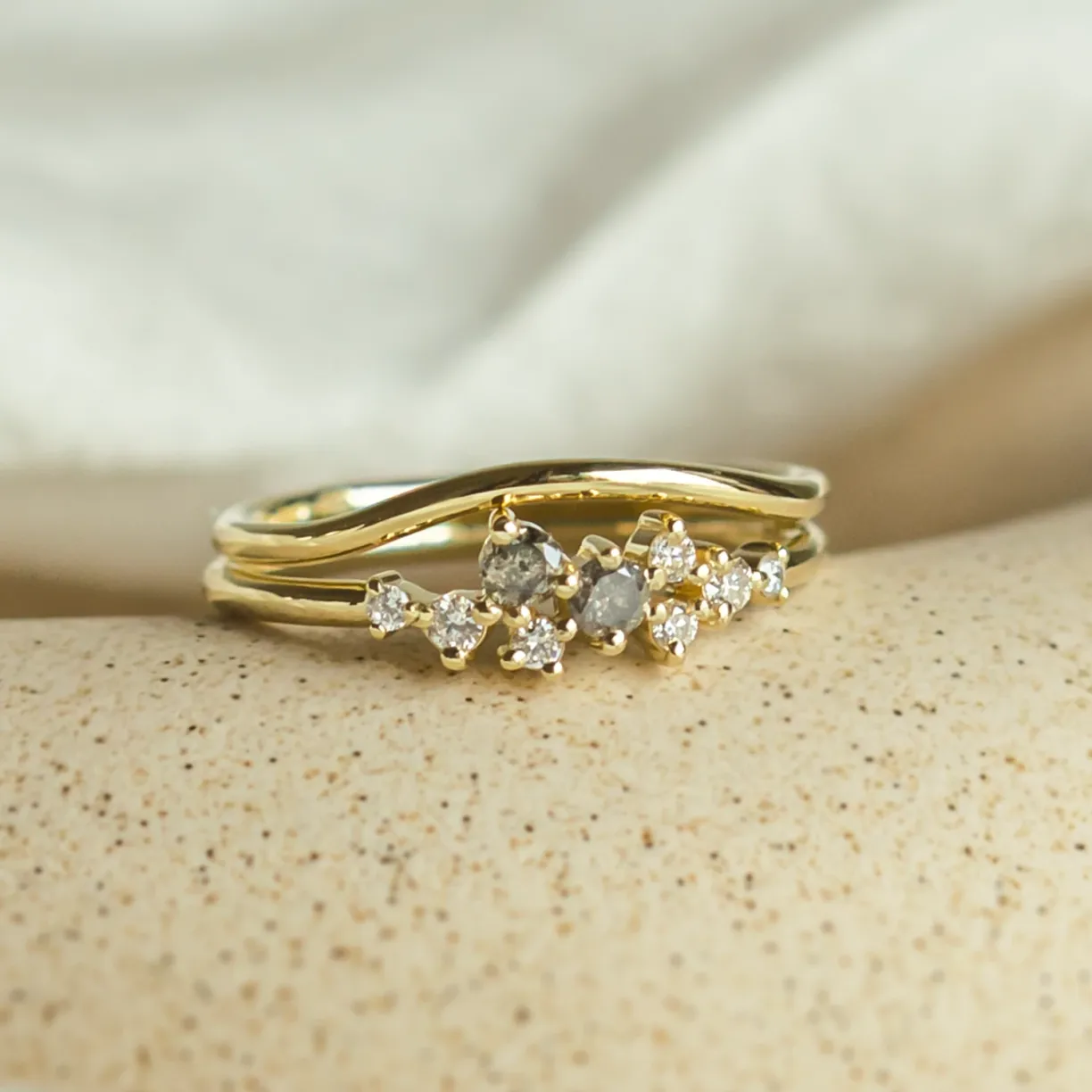
- Weston – a curved band adorned with salt-and-pepper diamonds, adding subtle sparkle.
- Emiliano – a delicate curve with white diamonds, designed to embrace stones like marquise or pear cuts.
Pairing Curved Bands with Different Stone Shapes
One of the greatest benefits of curved wedding rings is their adaptability to a variety of engagement ring styles.
Marquise & Kite Cuts
These elongated shapes naturally create pointed edges. A curved wedding ring such as the Catania flows around these contours, ensuring no gaps while enhancing the elegance of the silhouette.
Pear Cuts
The asymmetry of a pear-shaped diamond calls for balance. A gently curved band provides symmetry and prevents the awkward spacing that a straight band might create.
Oval Stones
With their soft, elongated curves, ovals pair beautifully with bands like Emiliano, whose subtle contour echoes the shape while maintaining minimalism.
Emerald & Radiant Cuts
Their geometric elegance shines against a subtle curved band that softens the linear structure. Pairing them with something like the Weston adds texture and light without overwhelming the stone.
Shield & Unique Cuts
For rarer shapes like shields or bespoke cuts, a custom-curved band ensures comfort and cohesion, turning the engagement set into a wearable piece of art.
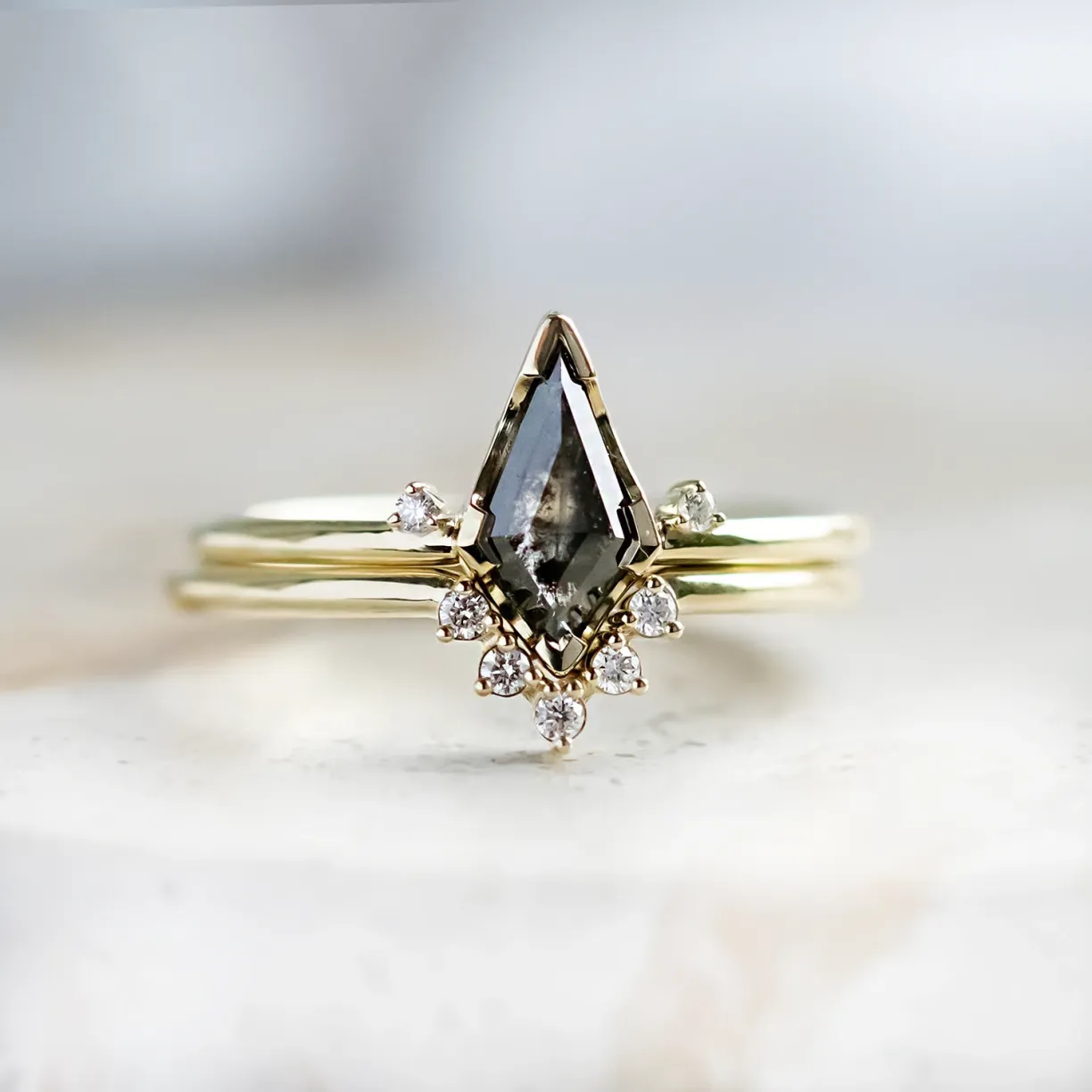
Curved vs. Classic: Choosing the Right Band for You
When deciding between a curved or classic straight band, consider both aesthetics and practicality:
- Engagement ring setting: Low-set or unusually shaped stones often benefit from a curved band.
- Personal style: Lovers of minimalism may prefer the clean lines of a classic band, while those drawn to artistry may adore the fluidity of a curved design.
- Everyday wear: Curved rings often feel more comfortable when paired with ornate engagement rings, as they prevent rubbing and uneven wear.
Caring for Your Wedding Set
Whether you choose a curved or classic band, care ensures its longevity:
- Avoid harsh chemicals – remove your rings before cleaning or swimming.
- Regular cleaning – gently polish with a soft cloth to maintain shine.
- Professional maintenance – schedule check-ups at your jeweller for prong inspections and polishing.
- Storage – keep your rings in a soft-lined box when not worn together, to prevent scratching.